
Orangery Extension Installation in Yorkshire

Add an Orangery Extension to Your York Home
For homeowners seeking a blend of classic elegance and modern comfort, an orangery extension is an excellent way to extend your home. Originally designed to protect exotic fruits from harsh climates, orangeries have evolved into bright, airy spaces that provide abundant natural light and versatile living environments. With their striking glass-paned walls, solid brick bases, and lantern-style roofs, orangeries offer the perfect multifunctional space for kitchen expansions, sunrooms, home offices, or living areas that bring the outdoors in.
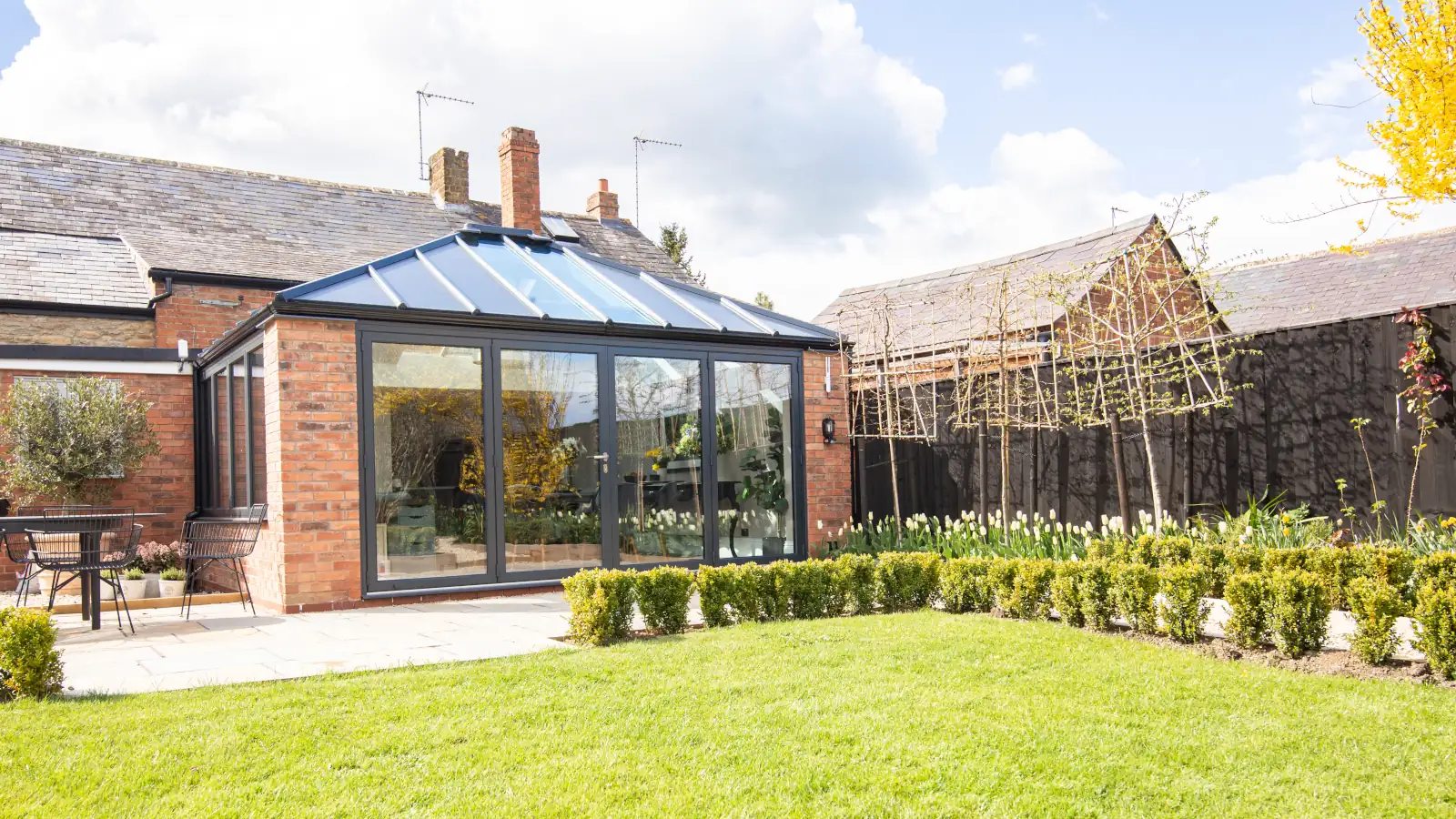
We Install Beautiful Orangeries
An orangery extension is a delightful addition to any home, blending the best features of a conservatory and a traditional extension. These luxurious spaces offer year-round enjoyment and can be used for a range of activities, from dining to relaxing in the sun. The installation process for an orangery varies depending on the design complexity but generally involves site preparation, construction of the base and frame, glazing, and finishing touches such as flooring and interior design.
How Your Home Benefits
If you’re considering extending your home, be sure to study the pros of adding an orangery. In comparison to other types of home extensions, this option stands out as one of the best. Here are just a few ways you’ll benefit from an orangery in York:
- Versatility: Your orangery is more than just a sunroom! You can use this space as a living space or play area, and some clients even request an orangery kitchen extension.
- Increased Home Value: Whether you turn your orangery into a second room or an office, the extension is sure to increase the value of your home. Our clients see a home value increase of up to 10%.
- Competitive Pricing: Compared with other types of home extensions, orangery costs are competitive. With Eliments, you can add a gorgeous new space to your property without draining all your funds.
- Thermal Performance: We’re proud to use products with top-notch thermal efficiency. Our offerings are the best on the market and serve to keep you comfortable all year round.
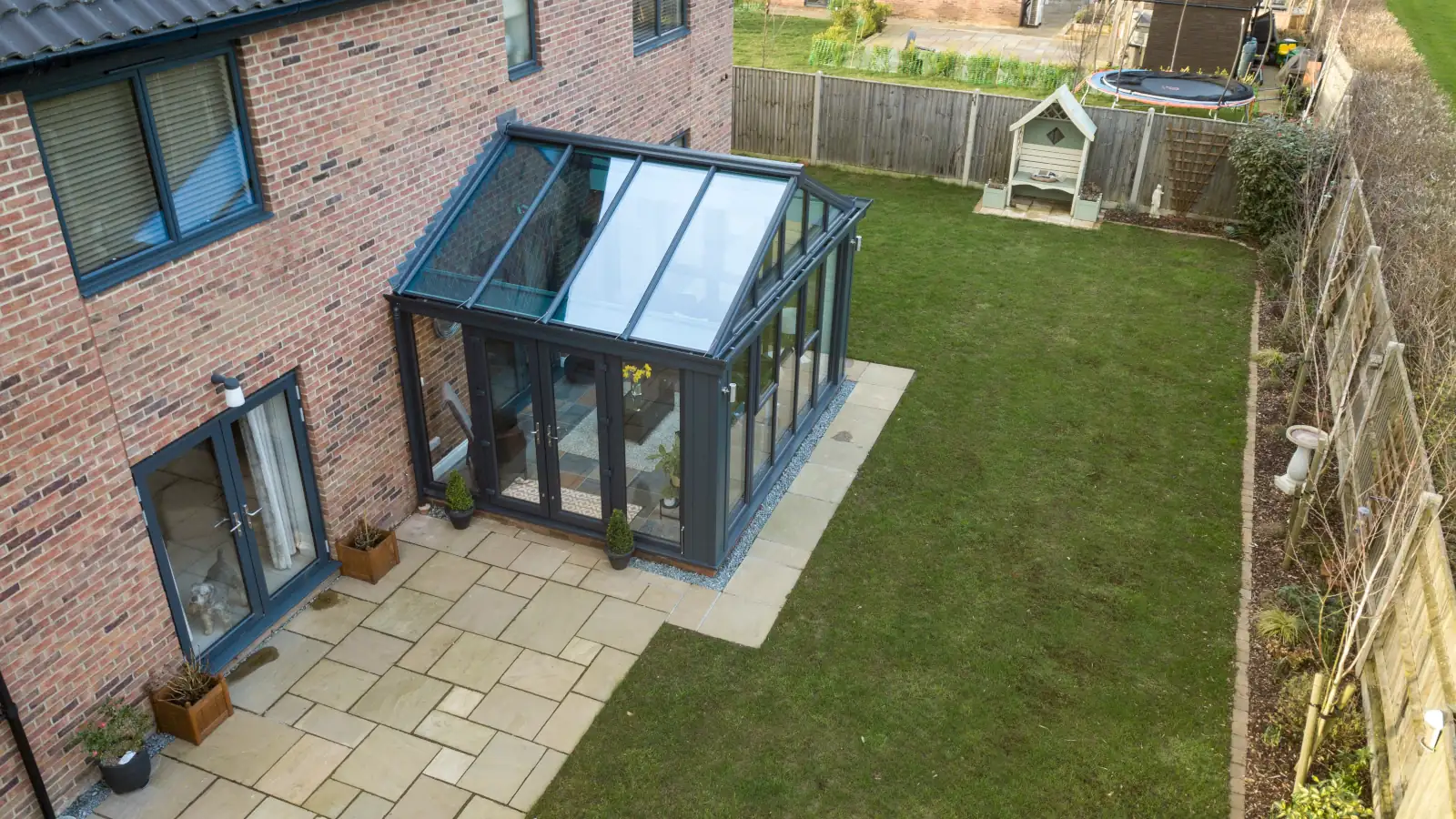
Choose From a Variety of Roofing Styles
Make your orangery unique with our variety of roofing styles. We’re glad to listen to your vision and help design an orangery that makes it a reality. Simply let us know what you have in mind, and we’ll suggest one of the following roofing styles:
Our Accreditations








No-Obligation
Quote
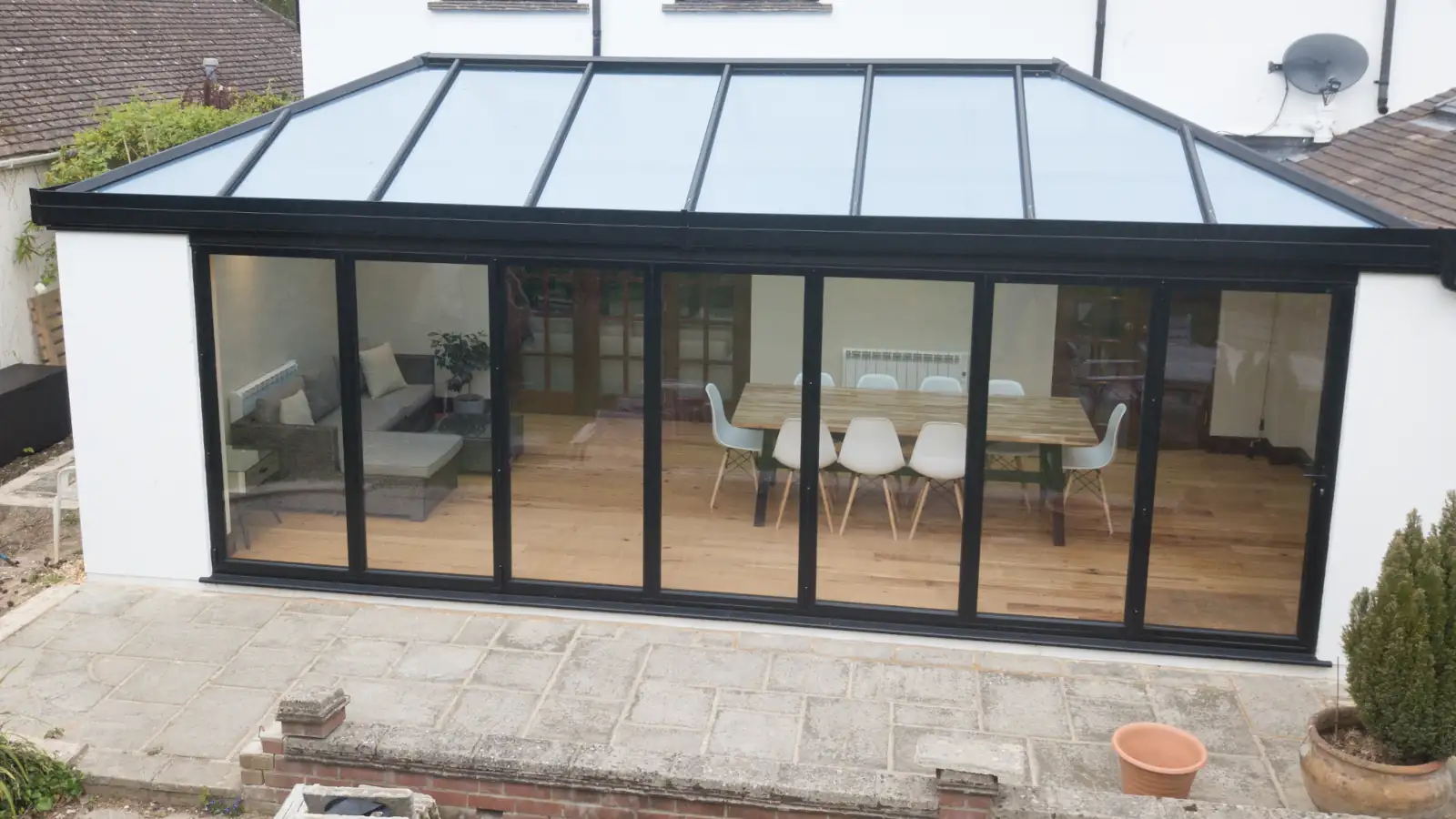
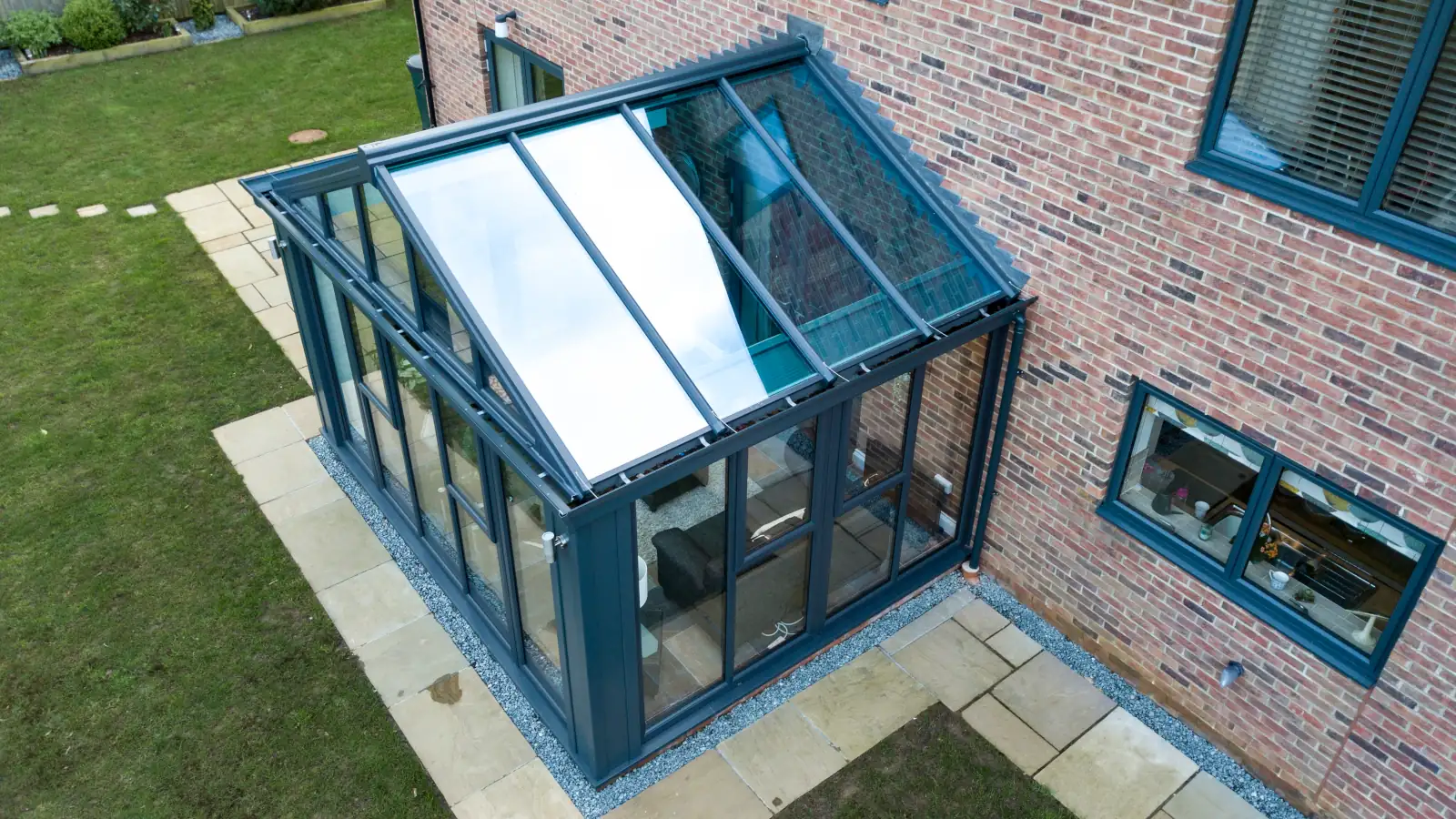
Orangery Extension Photo Gallery
What Do Our Customers
Say About Us?
Frequently Asked Questions
Orangeries and traditional conservatories look similar, but they are not exactly the same. In brief, it all comes down to the roof. A conservatory is a glass room with a brick base and a pitched glass roof, whereas an orangery is a brick structure with large windows and a flat roof with a glass lantern. However, the bespoke nature of our orangeries means you can step outside the ordinary and design a custom extension.
Certainly! The modern orangery is adaptable and an ideal choice for a plush living room or a chic dining area. An orangery can be outfitted with comfortable furnishings and stylish decor to create a cosy environment for family gatherings, sophisticated dinner parties, or simply sitting down for a family meal.
You don’t need planning permission for an orangery if you build within permitted development rights. However, an orangery is considered the same as a single-storey extension and is subject to the same guidelines. Depending on the build, you may need new planning permissions. Our team can let you know how to get the proper documentation.
You can convert an existing conservatory into an orangery, but the process is challenging. Plan to work with a professional for best results. We recommend giving Eliments a call so we can learn more about your wants and needs.
There are countless benefits of adding an orangery to your Yorkshire home. Some key benefits are cost savings, versatility, increased home value, and thermal performance, but other advantages include:
- Better natural light
- Bring the outdoors inside and enjoy nature from the comfort of indoor temperatures
- Added storage space
- More space to accommodate guests
- Room to entertain