Double vs Triple Glazing: Is the Upgrade Worth It?
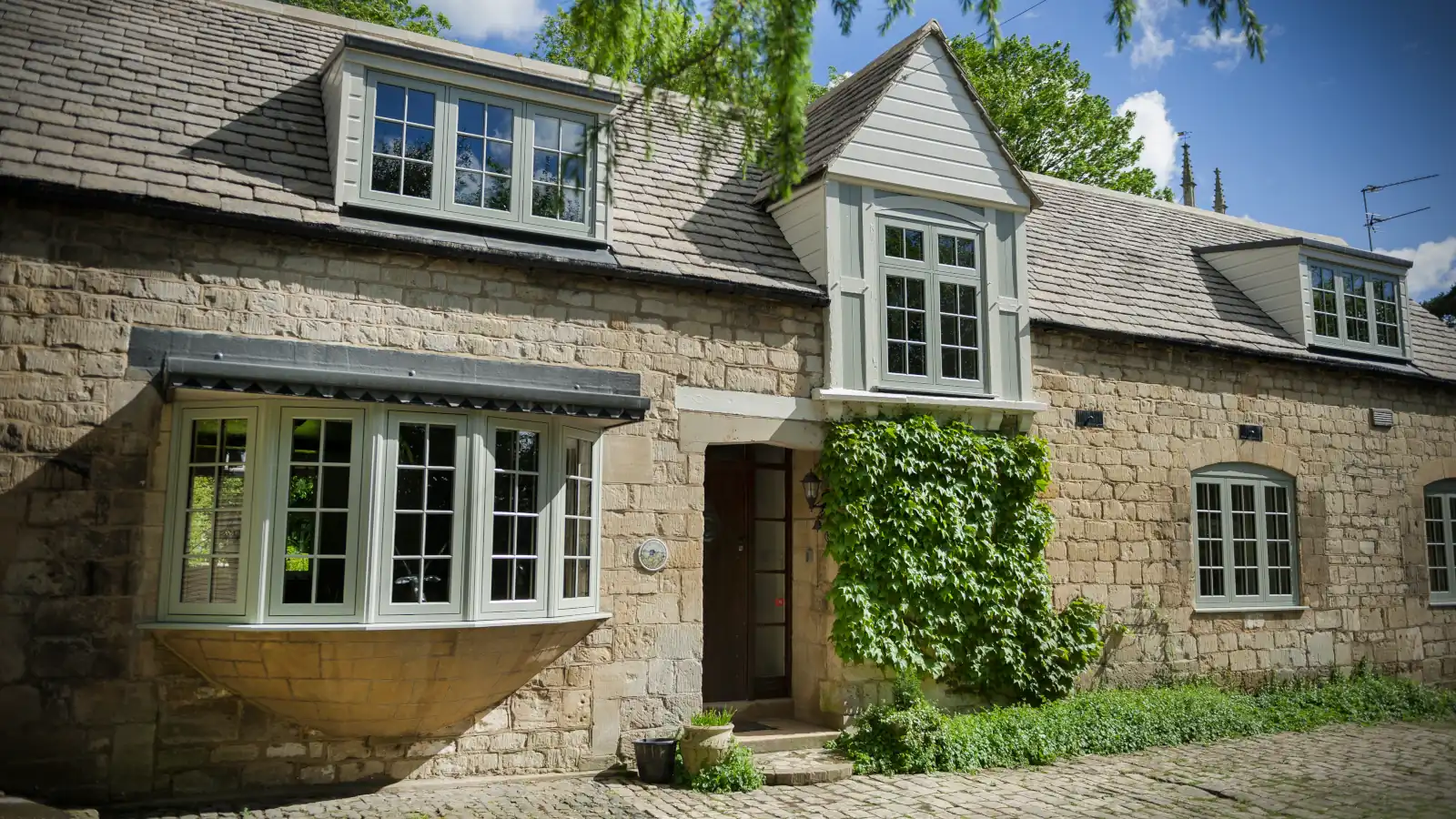
Energy bills are rising across the UK, and window insulation has become a key concern for many homeowners. Double and triple glazing are two of the most popular solutions, but which one delivers the best return? We’re here to break down the key differences between these two, so you can be confident in your home’s safety and value.
What Is Double Glazing?
Double glazing consists of two panes of glass set within a single frame, separated by a layer of gas, typically argon. This gas acts as a thermal buffer, slowing heat transfer and keeping warmth inside your home. Double glazing has become the standard in most modern UK properties, offering a significant improvement over older single-glazed windows. It provides reliable thermal performance, reduces condensation, and lowers energy bills at a manageable upfront cost.
What Is Triple Glazing?
Triple glazing adds a third pane of glass and a second gas-filled cavity to the double glazing configuration. This additional layer provides improved window insulation, retaining more heat and reducing cold spots near the glass. Triple glazing performs particularly well in colder climates and exposed locations.
Looking for windows, doors or conservatory fitters in Yorkshire?
Whether you have specific questions, require more details or want to make a general enquiry, don't hesitate to reach out to our team and we'll be happy to assist you.
Key Differences Between Double and Triple Glazing
Both options represent a genuine upgrade over single glazing, but the gap between them matters depending on your priorities. Here is how they compare across the four areas homeowners most frequently ask about:
- Energy Efficiency – Triple glazing can retain up to 35% more heat than double glazing. This translates to lower energy consumption and reduced heating costs over time, particularly in poorly insulated or older properties.
- Noise Reduction – Double glazing reduces external noise by up to 35 decibels, while triple glazing blocks between 40 and 50 decibels. The difference is most noticeable for homes near busy roads or flight paths.
- Cost Comparison – Triple glazing is a more premium option compared with double glazing. However, the long-term energy savings can offset this premium, particularly as UK energy prices continue to rise.
- Durability and Weight – Triple-glazed units are heavier due to the additional pane. Some older or lighter window frames may require reinforcement to support them safely, so a professional survey is advisable before upgrading.
Pros and Cons of Double vs Triple Glazing
Each glazing type suits different circumstances, and the right choice depends on your home, your budget, and your long-term goals for your property. The core advantages and limitations of each option include:
- Double Glazing is Affordable and Widely Available – Double glazing provides strong thermal performance at a lower upfront cost, making it accessible for most homeowners and suitable for the majority of standard UK properties.
- Double Glazing Has Good Insulation for Most Conditions – It significantly reduces heat loss compared to single glazing, though it provides less thermal resistance than triple-glazed alternatives in particularly cold or exposed settings.
- Triple Glazing Has Superior Thermal Performance – Triple glazing can be up to 50% more energy efficient than double glazing, making it the stronger option for homes with high heating demands.
Is Triple Glazing Worth It?
Triple glazing delivers the greatest benefit in specific situations. For most properties, double glazing performs well, but there are clear cases where the upgrade makes strong financial and practical sense. Consider triple glazing if any of the following apply to you:
- Exposed or Cold Locations – Homes in rural Yorkshire or elevated areas with harsher winters benefit most from the additional insulation layer that triple glazing provides.
- High Noise Environments – Properties near main roads, railways, or airports gain a meaningful reduction in noise pollution, improving day-to-day comfort.
- New Builds or Full Refurbishments – Installing triple glazing during a larger renovation avoids additional disruption and takes advantage of any structural work already underway.
- Long-Term Energy Savings – If you plan to remain in your home for ten or more years, the cumulative savings on heating costs can outweigh the higher initial cost.
Energy Savings and Long-Term Value
Replacing older windows with A++ BFRC-rated units can reduce annual heating costs by 15 to 20%. For a semi-detached home in the UK, this could mean up to £140 per year in savings. Furthermore, new energy windows can increase a property’s value, helping homeowners recoup a significant portion of the installation cost upon sale.
Making the Right Choice for Your Home
Both double and triple glazing offer clear benefits over older, single-pane windows. Double glazing suits most homes well, providing reliable thermal performance at a lower cost. Triple glazing is the better option for exposed locations, noisy environments, or homeowners focused on long-term energy efficiency. We supply and install A-rated windows across Yorkshire, including Harrogate and Leeds, and offer a free, no-obligation quote. Get in touch today to find the right glazing solution for your home.
No-Obligation
Quote