Making the Most of Your Garden — Sliding and Bi-Fold Doors, Conservatories & Orangery Options
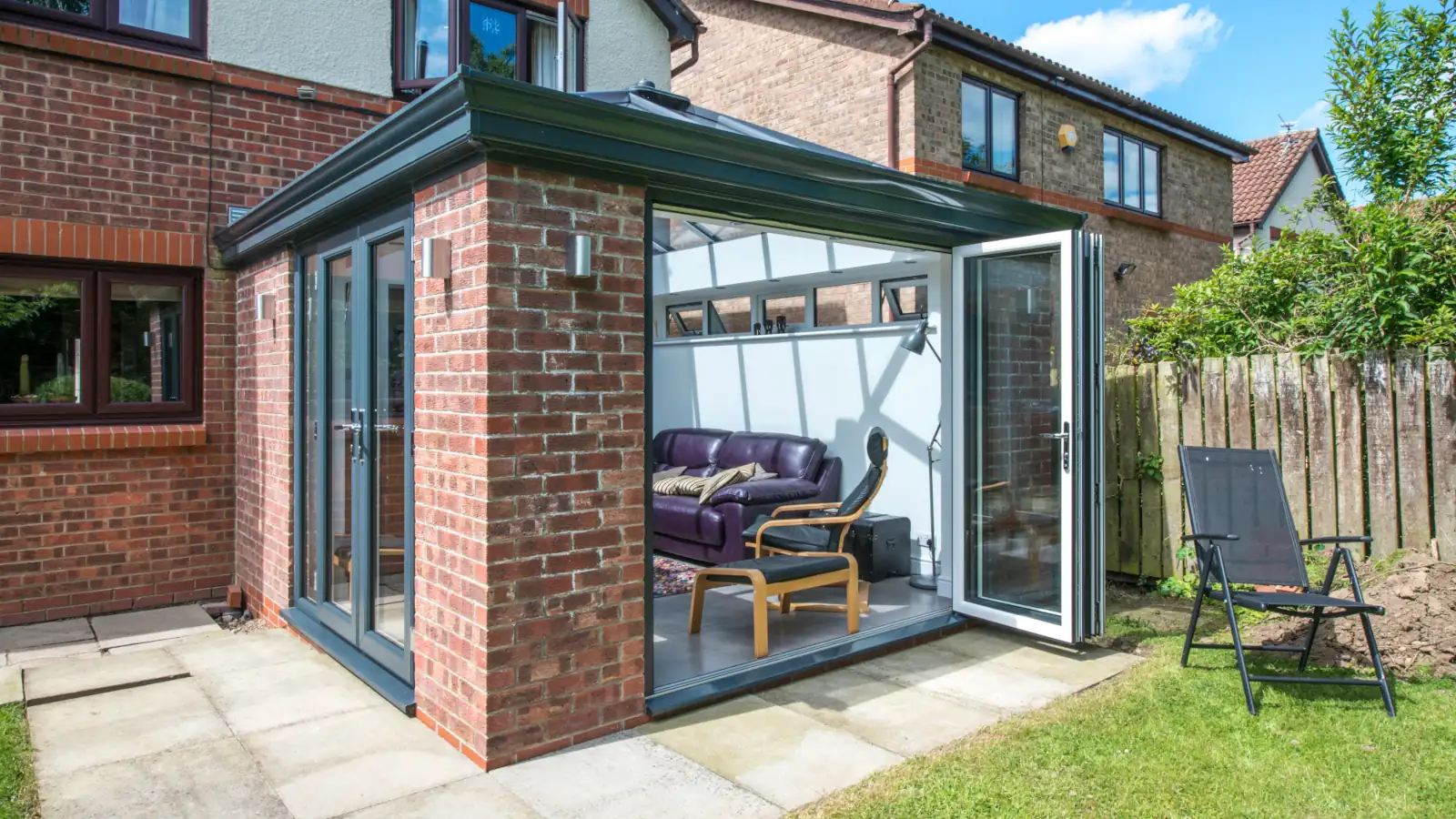
More Yorkshire homeowners are finding ways to extend their living space into the garden. However, comparing sliding doors, bi-fold doors, or an orangery vs conservatory also means understanding them in detail. Whether these extensions offer more natural light, extra room, or a smoother connection to the outdoors, they can all be practical, attractive additions to your property. We proudly supply and install all of these products across the region, from Harrogate to Leeds and the surrounding areas. We make it easy to understand these extensions and how to make the most of them.
Sliding Doors vs Bi-Fold Doors: What’s the Difference?
Both sliding doors and bi-fold doors connect your home to the garden, but they work differently and suit different properties. Their main features include:
- Sliding Doors – These feature large glass panels that glide along a horizontal track. They offer slim sightlines, a clean aesthetic, and take up minimal space when open. They’re ideal for tighter openings or for more modern-style homes.
- Bi-Fold Doors – These panels fold back on themselves in a concertina style, stacking neatly to one or both sides. They can open an entire wall width, creating a wide, unobstructed passage between indoors and the garden.
- Key Differences – Bi-fold doors allow for a fuller opening, while sliding patio doors save more internal floor space. Costs are broadly similar for aluminium versions. Your available space and how wide you want the opening to be are the main deciding factors.
Looking for windows, doors or conservatory fitters in Yorkshire?
Whether you have specific questions, require more details or want to make a general enquiry, don't hesitate to reach out to our team and we'll be happy to assist you.
Conservatories: A Classic Garden Extension
A conservatory is a glazed extension that brings the feeling of the outdoors inside. Victorian, Edwardian, and lean-to styles are the most popular choices in the UK, each with distinct rooflines and proportions to suit different property types. Conservatories are often among the more affordable ways to add a dedicated room to a home and are typically more straightforward to construct. They work well as dining rooms, lounges, or playrooms, and the abundance of glass creates a bright, airy atmosphere year-round. A conservatory can be a well-lit space that offers gorgeous views of your garden or other natural spaces. Unless other steps are taken, they are typically less insulated against cooler conditions.
Orangeries: A Premium Alternative
An orangery has more in common with a traditional extension than a conservatory. While both extend the use of space in a home, orangeries were historically intended to allow for citrus trees to grow even during harsh winters, as opposed to focusing on allowing for light and greater sightlines. The key difference between the two lies in the roof. An orangery features a solid perimeter structure, such as brick pillars, as well as roof lanterns, as opposed to a fully glazed roof. This gives greater insulation, and the room typically feels more substantial as a whole when compared to the large number of windows and visibility featured in a conservatory. The result is a room that stays comfortable in winter and summer alike. Orangeries suit homeowners who would prefer year-round usability with a space that blends better with their home’s existing architecture.
Choosing the Right Option for Your Home
The right choice depends on several personal factors. Budget, available garden space, your home’s architectural style, and how you plan to use the room all play a role. Consider the following to help narrow down your options:
- Budget – Conservatories are generally the most affordable starting point, while bi-fold and sliding doors tend to sit at similar price points. Orangeries can represent a slightly larger investment, reflecting their more substantial construction and enhanced finish.
- Available Space – Bi-fold doors require room for the panels to stack. Sliding patio doors are better suited where floor space is limited. Conservatories and orangeries both require planning for the footprint they will occupy.
- Design Preference – Sliding doors complement contemporary homes. Bi-fold doors work across a range of styles. Orangeries suit period and traditional properties, while conservatories offer versatility across architectural styles.
- Intended Use – A conservatory or orangery suits those wanting a dedicated year-round room. Bi-fold or sliding doors are ideal for opening up an existing space to the garden without adding a full extension.
Design Tips to Maximise Your Garden Space
Once you have chosen your extension or door system, the finish and furnishings make a real difference to how cohesive and functional the space feels. A few considered choices go a long way:
- Flooring – Use the same or complementary flooring materials inside and out to create a sense of continuity. Porcelain tiles and composite decking both work well for this transition.
- Lighting – Layer different types of lighting. Recessed ceiling lights paired with external ground or wall lights extend the usability of the space into the evening.
- Furniture – Choose pieces that suit both the indoors and garden setting. Rattan, powder-coated steel, and treated timber all handle changing conditions well.
- Plants – Introduce planting at the threshold between inside and outside. Potted plants, raised beds, or climbing plants beside the doorframe soften the boundary between the two spaces.
Ready to Improve Your Outdoor Space?
Sliding doors, bi-fold doors, conservatories, and orangeries each offer a practical and attractive way to get more from your garden. The right choice depends on your home, your budget, and how you plan to use the space. Eliments has been helping homeowners across Yorkshire achieve exactly that for over a decade, with hundreds of satisfied customers and a price promise to match. Contact our team today for a free, no-obligation quote.
No-Obligation
Quote