Low-maintenance vs Traditional Windows: What to Consider if You Want Long-lasting, Easy-to-care-for Frames
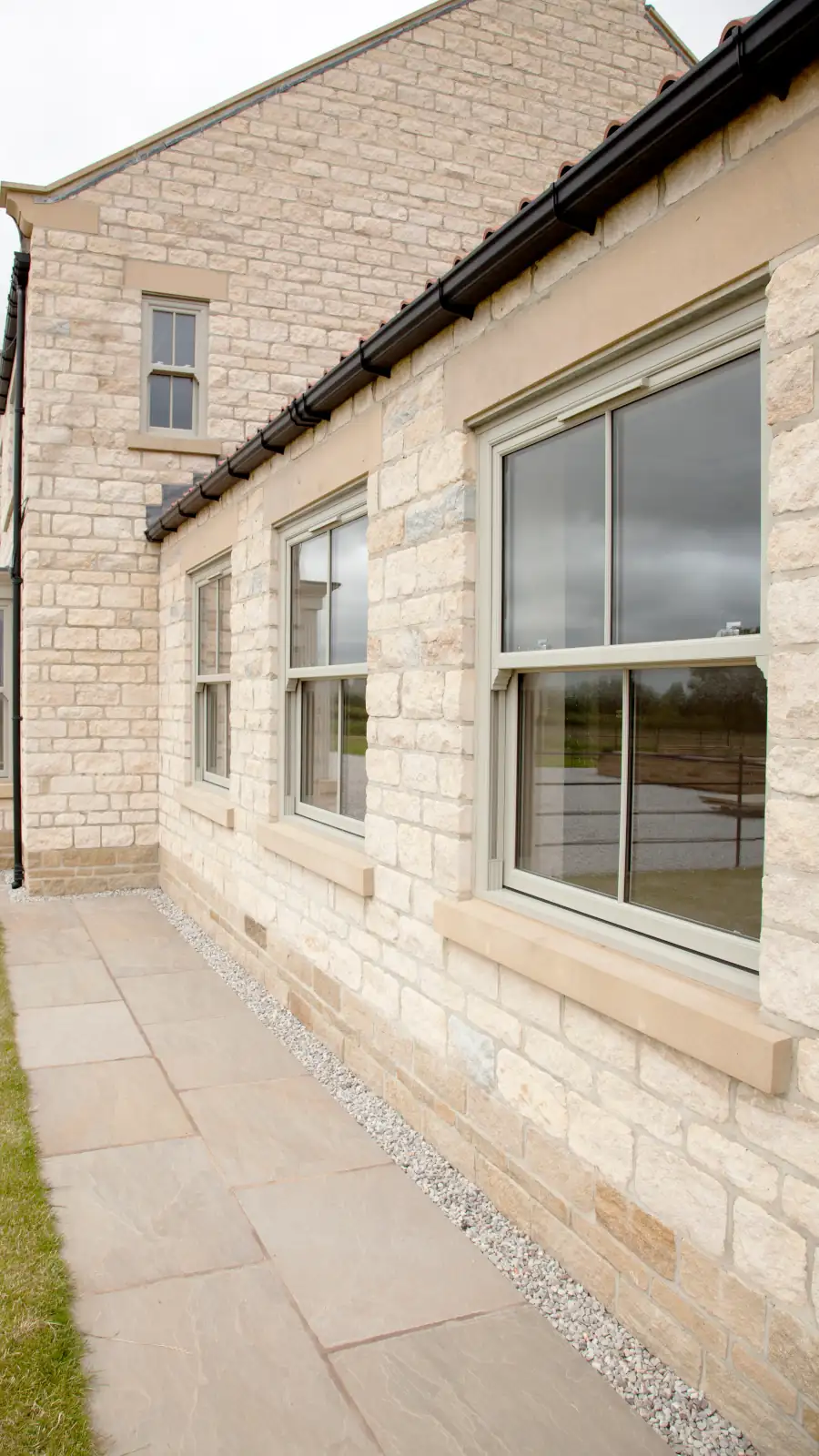
Choosing new windows for your home is one of those decisions that deserves proper thought. It’s not just about how they look on the day of installation; it’s about how they’ll perform year after year, how much time and effort you’ll spend keeping them in good condition, and whether they’ll still be adding value to your property a decade or two down the line. We’ve been working with homeowners across North Yorkshire for almost 15 years, and in that time, the question we hear more than almost any other is: “What are the easiest windows to look after?” It’s a fair question, and the answer isn’t quite as straightforward as some might suggest.
The truth is, there’s no one-size-fits-all answer when it comes to window frames. Your home, your lifestyle, your budget, and your expectations all play a part. What we can offer is honest, experienced guidance. The kind that comes from actually manufacturing and installing windows ourselves, right here in Yorkshire. Whether you’re comparing UPVC windows to timber, thinking about double or triple glazed options, or weighing up the longer-term costs of maintenance, this guide is designed to help you make an informed choice.
There’s also a common misconception worth clearing up early: low-maintenance doesn’t always mean low quality, and traditional doesn’t always mean superior. The window industry has changed enormously in recent years, and the materials and glazing technologies available today are genuinely impressive. Let’s walk through what really matters when you’re choosing window frames that will stand the test of time.
Understanding What “Low-maintenance” Actually Means
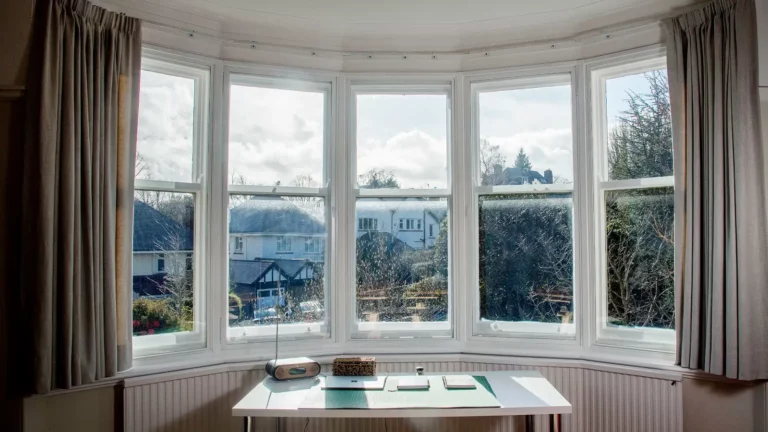
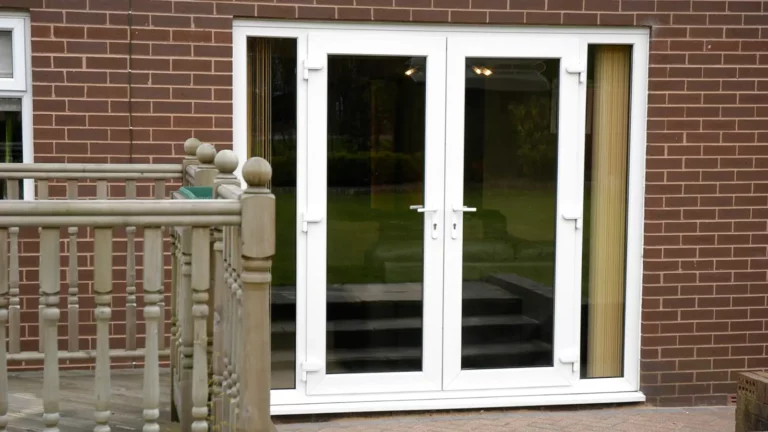
When people talk about low-maintenance window frames, they typically mean frames that don’t require repainting, restaining, or regular sealing to stay in good condition. UPVC windows are the most common example of this. They don’t rot, they won’t warp in wet conditions, and they don’t need annual treatment the way timber frames do. For the vast majority of homeowners in North Yorkshire, where the weather can be unpredictable and winters fairly unforgiving, this is a significant practical advantage. A simple wipe-down with a damp cloth is usually all that’s needed to keep UPVC frames looking clean and fresh. Over the lifetime of the window, that saving in time, effort, and maintenance costs adds up considerably.
Looking for windows, doors or conservatory fitters in Yorkshire?
Whether you have specific questions, require more details or want to make a general enquiry, don't hesitate to reach out to our team and we'll be happy to assist you.
That said, it’s worth understanding what you’re comparing against. Traditional timber frames have a long and respected history in UK housebuilding, and when properly maintained, they can last for generations. Many period properties and conservation areas still require or strongly favour timber windows for aesthetic reasons. The experience of owning timber windows can feel more premium in the early years; there’s a warmth and character to natural wood that some homeowners genuinely value. The trade-off, however, is that timber frames need regular upkeep. Repainting or restaining every few years, checking for signs of moisture ingress, and treating any early rot before it spreads are all part of the reality of timber window ownership.
Why UPVC Remains the Most Popular Choice Across Yorkshire
Across the areas we serve, from York and Harrogate to Selby, Beverley, and Driffield, UPVC windows consistently come out on top for new installations and replacements. The reasons are practical and straightforward. Modern UPVC window frames are far more sophisticated than the basic white frames many people associate with the 1980s and 1990s. Today’s options include a wide range of colours and finishes, including woodgrain effects that offer something approaching the appearance of timber without any of the upkeep. Our UPVC profiles are manufactured using Veka materials, which are among the most respected in the industry and are ‘A’ rated for energy efficiency, something that matters a great deal to homeowners thinking about long-term running costs.
For homeowners researching window companies in York and the surrounding area, it’s worth knowing that not all UPVC windows are equal. The quality of the profile, the hardware, and the installation all make a significant difference to how well the frames perform and how long they last. At Eliments, we design and manufacture on site, which means we have direct control over the quality of every frame that goes into one of our customers’ homes. That level of accountability is something to look for when comparing providers.
The Case for Triple Glazed UPVC Windows
One of the most significant developments in window technology over the last decade has been the rise of triple glazed UPVC windows. Where double glazing was once the gold standard, triple glazed windows, which feature three panes of glass separated by insulating gas fills, offer measurably better thermal performance and acoustic insulation. For homeowners on busier roads or in areas prone to noise, double glazed soundproof windows are often recommended, but triple glazing takes this a step further. The additional pane and gas layer create a more effective barrier against external noise, making a genuine difference to the comfort and quietness of your living space.
From an energy efficiency perspective, triple glazed windows reduce heat loss more effectively than their double-glazed counterparts. According to the Energy Saving Trust, improving window glazing is one of the most impactful changes a homeowner can make to reduce heat loss and lower energy bills; a particularly relevant consideration given the ongoing cost pressures many households across the UK are navigating. Triple glazing is increasingly popular in new builds and high-performance refurbishments, and it’s an option we’re seeing more and more demand for across our Yorkshire customer base.
Timber Alternatives Worth Considering
If you love the look of timber but don’t want the maintenance burden, there are some excellent alternatives worth exploring. Composite window frames, which combine a timber core with an aluminium or UPVC exterior casing, offer the visual warmth of wood with much greater durability and resistance to weathering. They’re not as widely available as standard UPVC, and they tend to come at a higher price point, but for the right property, particularly older or period homes where aesthetics are a priority, they can be an excellent middle ground.
Aluminium frames are another option that sits between traditional timber and standard UPVC. Slim sightlines, high durability, and a contemporary appearance make aluminium popular for modern architectural projects. Like UPVC, aluminium requires minimal maintenance and won’t corrode or deteriorate in the way timber can. The main consideration is thermal performance; aluminium conducts heat, so frames need to be thermally broken to achieve adequate insulation values. When specified and installed correctly, aluminium can perform well but it tends to suit more contemporary properties rather than traditional Yorkshire stone houses.
What to Think About Before You Decide
Before committing to any particular frame material or glazing specification, there are a few key questions worth asking yourself honestly. First, how much time and money are you genuinely willing to invest in maintenance over the next 20 years? If the answer is “as little as possible”, UPVC windows, particularly those with triple glazing for enhanced performance, are almost certainly your best option. Second, does your property have any planning restrictions or conservation area requirements that could limit your choices? It’s always worth checking with your local authority before proceeding, especially if you live in a listed building or a designated conservation area in North Yorkshire.
Third, think carefully about what you want from your windows beyond appearance and ease of care. Noise reduction, thermal efficiency, security features – all of these should factor into your decision. Our showroom in York is a genuinely useful resource here; visiting in person and seeing the materials and glazing options up close gives you a far better sense of what will work for your home than any amount of online research.
Whatever your priorities, the most important thing is to work with window companies in York and Yorkshire that you can trust; those with a real track record, genuine manufacturing expertise, and the honesty to recommend what’s right for your home rather than simply what’s easiest to sell. That’s the standard we hold ourselves to, and it’s what we’d encourage you to look for in any installer you choose.
No-Obligation
Quote